Hyper Local Delivery Business Kaise Shuru Kare 2025-26 ? जानें स्टेप-बाय-स्टेप गाइड
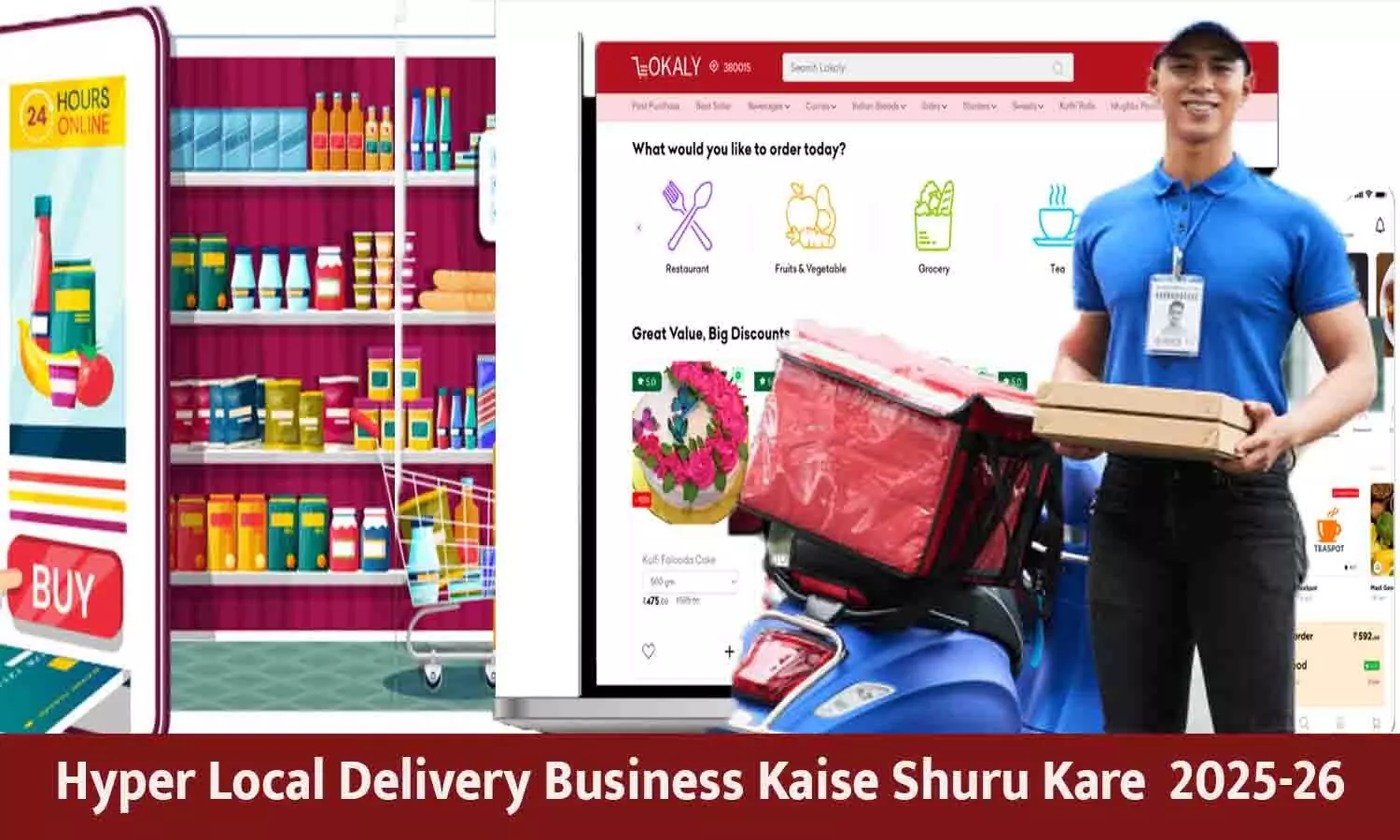
Hyper Local Delivery Business Kaise Shuru Kare


Table of Contents
- परिचय — Hyper Local Delivery क्या है और क्यों 2025-26 सही समय है
- बज़ार और अवसर (Market Opportunity)
- Hyperlocal बिजनेस मॉडल (Dark Stores / Marketplace / Crowdsourced)
- स्टेप-बाय-स्टेप गाइड — कैसे शुरू करें (Operational Steps)
- लागत और अनुमानित निवेश (Cost Estimates & Revenue)
- Tech Stack, App Features और MVP
- ऑपरेशन्स, Rider Hiring और Logistics
- Growth & Marketing — Hyperlocal Hacks
- Risks & Mitigations
- FAQs
- निष्कर्ष और Action Plan
परिचय — Hyper Local Delivery क्या है और क्यों 2025-26 सही समय है
Hyper Local Delivery का मतलब है — अपने शहर या मोहल्ले के अंदर तेज़ और किफायती तरीके से सामान पहुँचना। इसमें groceries, medicines, food, small parcels और daily essentials शामिल होते हैं। 2020 के बाद इंडिया में Quick-commerce और hyperlocal सेवाओं की मांग तेजी से बढ़ी है — 10–60 मिनट वाले delivery-options अब कंज्यूमर की नई उमीद बन गए हैं।
बज़ार और अवसर (Market Opportunity)
Quick commerce/hyperlocal segment का ग्रोथ तेज़ है — इंडियन Quick Commerce मार्केट 2025 तक कई अरब डॉलर के साइज पर पहुँचने का अनुमान था और logistics/last-mile का महत्व बढ़ता जा रहा है। यह सेक्टर मेट्रो के साथ-साथ टियर-2 और टियर-3 शहरों में भी फैल रहा है क्योंकि कंज्यूमर तेज़ डिलीवरी और कंवीनियंस चाहते हैं।
Hyperlocal बिजनेस मॉडल (Dark Stores / Marketplace / Crowdsourced)
Hyperlocal बिजनेस शुरू करने के तीन आम मॉडल हैं:
- Dark-store / Quick commerce: छोटे स्थानीय गोदाम (dark stores) जहाँ से 10–30 मिनट में सिलेक्टेड इलाकों में ऑर्डर भेजे जाते हैं।
- Marketplace / Aggregator: ऐप/वेबसाइट के जरिए लोकल स्टोर्स को जोड़कर ऑर्डर और डिलीवरी मैनेज करना; आप commission लेते हैं।
- Crowdsourced delivery: ऐप के जरिए independent riders/couriers जोड़कर delivery कराना — asset-light मॉडल।
स्टेप-बाय-स्टेप गाइड — कैसे शुरू करें
1) मार्केट रिसर्च और सेक्टर चुनना
सबसे पहले अपना टेरीटरी डिसाइड करें — 3–8 किलोमीटर रेडियस से शुरू करें। देखें कौन-से प्रोडक्ट ज़्यादा मांग में हैं: groceries, pharma, ready-to-eat, bakery आदि। छोटे सिटी में groceries और medicines सबसे जल्दी traction देते हैं।
2) बिजनेस प्लान और Revenue Model
Revenue sources में शामिल हो सकते हैं: delivery fees, merchant commission, subscription (fast delivery pass), advertising on app और premium fulfillment charges। शुरुआती महीने में marketing subsidy और discount के लिए बजट रखें — पर long-term में unit economics पर निगाह रखें।
3) कानूनी फॉर्मैलिटी और रजिस्ट्रेशन
Company/Sole proprietor/LLP रजिस्टर कराएँ, GST, बैंक अकाउंट, और अगर आप food/pharma डिलीवर कर रहे हैं तो FSSAI/Drug license की ज़रूरत पड़ेगी। अपने T&C, refund और return policy को legal रूप से दुरुस्त रखें।
4) टेक और MVP (App / Panel / Order Flow)
स्लिम MVP में चाहिए — यूज़र ऐप (ऑर्डर + पेमेन्ट), राइडर-ऐप (पिकअप + डिलीवरी), और वेब-एडमिन/merchant panel। अगर आप ऐप डेवलप करेंगे तो tech stack में React Native/Flutter (mobile), Node.js/Django (backend), PostgreSQL/MongoDB (DB) जैसी choices आम हैं; एक बेसिक ऐप की डेवलपमेंट लागत व्यापक रूप से बदलती है — साधारण MVP $20k से ऊपर हो सकता है।
5) इन्वेंटरी और फुलफिलमेंट (Dark Stores / Partners)
आप स्टोर्स के साथ partnership करके merchant-fulfillment करवा सकते हैं या खुद micro-warehouse खोलकर stock रखते हैं। Perishable items के लिए refrigeration और FIFO process रखें।
6) Rider Hiring, Training और Payments
राइडर्स को ऑन-बोर्ड करें — documents (ID, RC, driver license), basic training (customer service, safety, packaging), और automated payouts रखें। राइडर incentives और peak bonuses से retention बढ़ती है।
7) Payment, Refunds और Settlement
UPI, wallets और cards integrate करें, और daily/weekly settlement process merchant/ride partners के साथ स्पष्ट रखें। Cash handling के लिए SOP बनाएं।
8) Launch, Marketing और Growth
Launch के लिए hyperlocal tactics: WhatsApp groups, local influencers, kirana tie-ups, flyer distribution, in-app referral, Google My Business, Facebook local ads और community events।
9) KPIs और Scaling Plan
मुख्य KPIs: Average Delivery Time, On-time %, Order per Rider per day, AOV (Average Order Value), CAC, Repeat rate। जब 1-2 इलाकों में model prove हो जाए तो radius और product categories बढ़ाएँ।
लागत और अनुमानित निवेश (Estimates)
शुरुआत के खर्चे (rough estimate):
- Tech (MVP ऐप + panels): ₹6–30 लाख (scope पर निर्भर)
- Micro-warehouse setup (500–1000 sq ft, basic fit-out): ₹3–10 लाख
- Initial inventory (if inventory led): ₹1–5 लाख
- Marketing & launch: ₹50k–3 लाख
- Operating capital (salaries, rider incentives): ₹1–5 लाख per month
Note: Cost ranges vary बहुत ज्यादा—asset-light aggregator मॉडल से शुरुआती निवेश कम रखा जा सकता है।
Tech Stack, App Features और MVP
MVP में ज़रूरी फीचर्स: user signup, location picker, product catalog, cart, checkout (UPI/Wallet/Card), real-time tracking, order history, ratings, merchant panel, rider app (task list, navigation), admin dashboard (orders, finance, riders). For scaling: analytics, route optimization, SLA monitoring, dynamic pricing।
App development cost और समय project complexity पर निर्भर करते हैं — basic app 2–4 महीने में बन सकता है और एक परेशान करने वाला cost item होता है।
ऑपरेशन्स, Rider Hiring और Logistics
Last-mile efficiency ही profit का बड़ा हिस्सा है। सही routing, batch picking, multi-order batching और rider incentives से per-order cost घटती है। Crowdsourced delivery (gig riders) से flexibility मिलती है पर quality control के लिए OTP, ratings और delivery SLAs रखें।
Growth & Marketing — Hyperlocal Hacks
- Local SEO & Google My Business
- WhatsApp broadcast, local WhatsApp groups
- Referral program (user & merchant)
- Partnerships with kiranas, pharmacies, cloud kitchens
- Time-limited free delivery / discounts for first 100 customers
Risks & Mitigations
- High CAC / low repeat rate: focus on retention and subscription passes.
- Rider attrition: prompt payouts and incentives.
- Inventory spoilage: tight inventory control, local sourcing.
- Regulatory: GST, FSSAI and local permits—legal counsel रखें।
नोट — मार्केट प्लेयर और ट्रेंड
भारत में Quick-commerce / hyperlocal segment में कई बड़े खिलाड़ी हैं — Blinkit, Zepto, Swiggy Instamart, Dunzo और स्थानीय logistics partners। मार्केट में consolidation और competition दोनों देखे जा रहे हैं; इसलिए niche focus और unit economics पर काम करना ज़रूरी है। :contentReference[oaicite:6]{index=6}
FAQs
Hyper Local Delivery Business Kaise Shuru Kare?
Step-1: छोटा area चुनें (3-8 km), Step-2: business model तय करें (aggregator/dark store/crowd), Step-3: legal और tech तैयार करें, Step-4: rider और merchant onboarding करके pilot चलाएँ।
Ghar Se Hyperlocal Delivery Business Kaise Start Kare?
घर से शुरू करने के लिए aggregator मॉडल अपनाएँ: local kirana/pharmacy से tie-up करें, simple WhatsApp/phone orders लें और initially 1-2 delivery riders से शुरुआत करें।
Instant Grocery Delivery Business Kaise Kare?
Instant grocery के लिए micro-warehouse/dark store खोलें, high-demand SKU रखिए और 15–30 मिनट वाला delivery SLA सेट कीजिए।
Dark Store Model Kaise Banaye?
Dark store के लिए 200–800 sq.ft जगह लें, shelfing और cold storage (if needed) लगाएँ, POS और inventory software से stock control रखें।
Last Mile Delivery Startup Kaise Kare?
Last-mile में logistics partnerships, rider network और route optimization जरूरी हैं। Delivery fees और SLA को सही तरह से प्राइस करें ताकि unit economics सही आए।
Rider Hiring Kaise Kare India?
Local recruitment drives, WhatsApp groups, delivery partner counters, और gig-platforms से riders hire करें। Document verification और basic training दें।
Delivery App Banane Kaise Kare?
MVP बनाइए — React Native/Flutter, backend Node/Django, maps & payments integrate करें। पहले basic features डालें, बाद में scale के साथ add करें। :contentReference[oaicite:7]{index=7}
Micro Warehouse Setup Kaise Kare?
लोकेशन चुनें (central to service area), shelving, packing station, refrigeration (perishables) और inventory software रखें। छोटे initial stock से शुरू करें और reorder levels तय करें।
Crowdfunding Ya Funding Delivery Startup Kaise Le?
Seed funding के लिए local angels, startup-accelerators या micro-VCs approach करें; traction और unit economics दिखाना ज़रूरी है।
Local Merchant Onboarding Kaise Kare?
Merchant को आसान Payout terms, weekly statement और fast onboarding form दें; शुरु में incentive/discount देकर sign-ups बढ़ाएँ।
Delivery Pricing Strategy Kaise Banaye?
Delivery fee + merchant commission + minimum order value model रखें; peak surges पर surge pricing और subscription passes ऑफर करें।
Delivery Operations Optimize Kaise Kare?
Batch picking, route optimization, multi-order batching और SLA monitoring tools से operations cost घटती है।
Delivery Logistics Software Kaise Choose Kare?
जरूरी features: real-time tracking, route planning, rider assignment, merchant panel, analytics; लगाने से पहले 1-2 vendors का PoC लें।
Quick Commerce Profitable Kaise Banaye?
High AOV, delivery fees, merchant commission और operational efficiency पर ध्यान दें; repeat orders और subscription revenue बढ़ाएँ।
Crowdsourced Delivery Model Kaise Chalaye?
Gig riders को app पर onboard करें, performance score रखें, OTP & proof-of-delivery लगाएँ और payouts automate करें।
Delivery Fleet Manage Kaise Kare?
Fleet में vehicle maintenance, fuel reimbursements, tracking devices और scheduled routes रखें; mixed fleet (bikes + e-bikes) से cost balance होता है।
Food Delivery Versus Grocery Delivery Kaise Decide Kare?
Food delivery में hot handling और faster SLA की ज़रूरत, grocery में inventory & perishables का ध्यान; शहर-specific demand देख कर निर्णय लें।
Same Day Delivery Service Kaise Start Kare?
Micro-warehouses और zonal fleet रख कर same-day service दें; cut-off times और efficient pickup process रखें।
10 Minute Delivery Kaise Implement Kare?
10-minute delivery के लिए dark stores हर 1–2 sq km पर और auto-dispatch, pre-picked assortments और hyperlocal demand forecasting चाहिए।
Delivery Safety Aur Trust Kaise Banaye?
Rider background checks, insured consignments, customer OTP और live tracking से trust बढ़ता है; complaints resolution fast रखें।
GST Aur Legal Compliance Kaise Kare?
Business registration, GST registration, FSSAI (food), drug license (pharma) जैसी आवश्यकताएँ पूरा करें और accounts नियमित रखें।
Rider Payout Aur Settlements Kaise Manage Kare?
Automated daily/weekly payouts, performance bonus और clear earning slips दें; digital wallets और bank transfer integration रखें।
Hyperlocal Marketing Kaise Kare?
Local ads, flyers, kirana partnerships, WhatsApp, and neighborhood influencers पर फोकस करें; referral campaigns तेज़ traction देते हैं।
Customer Retention Delivery Business Kaise Badhaye?
Fast delivery, consistent quality, loyalty programs और personalized offers से repeat rate बढ़ाएँ।
Delivery KPIs Kya Hote Hain Kaise Measure Kare?
Key KPIs: Delivery time, On-time %, Orders/rider/day, AOV, CAC, Repeat %, Gross margin per order — इन्हें dashboard पर देखें।
Local Delivery Partner Choose Kaise Kare?
Reliability, coverage, SLA compliance और pricing मॉडल देखें; PoC के लिए छोटे volume से शुरुआत करें।
Payments Integration UPI Wallet Kaise Kare?
Payment gateway + UPI (IMPS/UPI collect) integrate करें; settlements के लिए reconciliation automation जरूरी है।
Return Handling Process Kaise Banaye?
Easy reverse pickup, inspection window, refund timeline और merchant communication set करें — यह customer trust के लिए महत्वपूर्ण है।
Small City Hyperlocal Business Kaise Grow Kare?
Local demand पर फोकस, low CAC channels (WhatsApp/flyers), और local stores के साथ गहरे रिलेशन बनाकर scale करें।
2025 Me Hyperlocal Business Kaise Scale Kare?
Proven unit economics, automated ops, strong merchant onboarding और region-wise expansion plan बनाकर धीरे-धीरे radius बढ़ाएँ।
निष्कर्ष और Action Plan
Hyper Local Delivery Business 2025-26 में opportunity है, पर success का रास्ता unit economics, operational excellence और तेज़ customer experience से होकर जाता है। छोटी शुरुआत करें, एक area में model prove करें, उसके बाद scale करें। नीचे तात्कालिक Action Plan है:
- 1-2 km pilot area तय करें और 4–6 high-demand SKUs चुनें।
- Simple order intake (WhatsApp + phone) से शुरुआत और 1-2 riders लगाकर delivery चलाएँ।
- Tech MVP + inventory control अगले 30–60 दिनों में रोल-आउट करें।
- Local merchants से tie-ups करें और referral campaigns चलाएँ।
- Unit economics हर हफ्ते measure करें और break-even तक optimize करें।