


Trump Says “I Take Credit, VP Gets Blame” as US Fires Army Chiefs
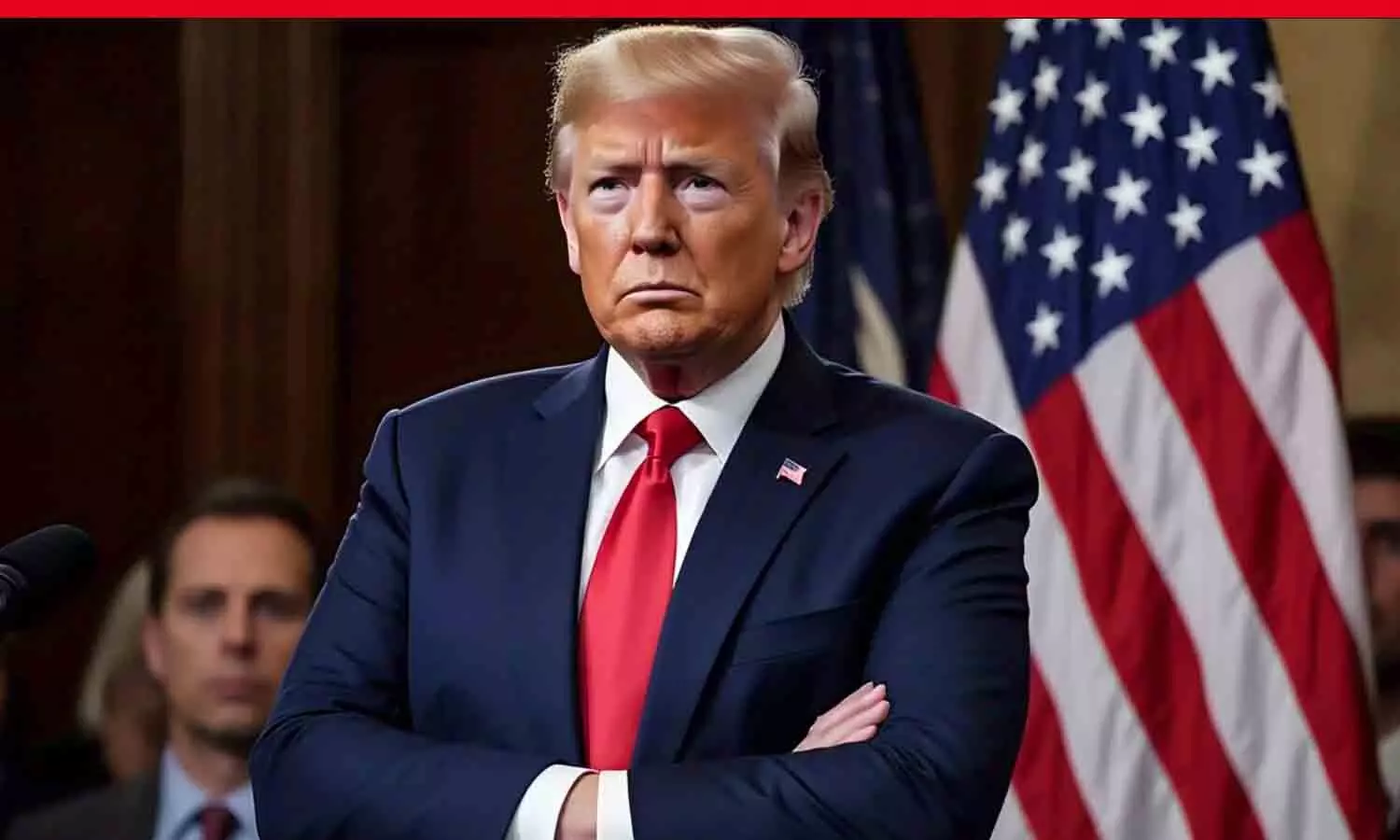


US Removes Senior Army Officers as Trump Sparks Debate Over Iran Deal
The United States has made a major move by removing three senior Army officials during a time of rising global tensions. The decision, reportedly taken by Defense Secretary Pete Hegseth, has surprised many experts as it comes in the middle of an ongoing geopolitical crisis involving Iran and the Middle East.
At the same time, former President Donald Trump made headlines with a controversial statement about a possible deal with Iran. He jokingly said that if the deal fails, Vice President JD Vance would be responsible, but if it succeeds, he would take full credit.
Pentagon Removes Top Military Leaders During Crisis
According to US media reports, the officials removed include Army Chief General Randy George, along with two other senior leaders. These include General David Hodne, who led the Army’s Training and Transformation Command, and General William Green Jr., head of the Army Chaplain Corps.
The sudden removal of such high-ranking officers during a tense global situation has raised many questions. Experts believe this could signal a shift in military strategy or internal disagreements within the leadership.
While the Pentagon has not publicly shared detailed reasons, such decisions during wartime are rare and often linked to performance concerns or policy changes.
Trump’s Statement on Iran Deal Draws Attention
During an Easter lunch event at the White House, Donald Trump made a light but striking comment about the Iran deal. He said that if the agreement does not happen, he would blame Vice President JD Vance.
However, he added that if the deal is successful, he would take all the credit. Though said in a joking tone, the remark has sparked debate in political circles.
Many analysts believe such comments reflect the high stakes involved in the Iran negotiations, which are closely linked to global security and energy markets.
UN Vote on Hormuz Security Delayed
Meanwhile, the United Nations Security Council has delayed an important vote related to the Strait of Hormuz. The vote was based on a proposal by Bahrain that aims to ensure the safety of ships passing through this critical route.
The decision on the proposal will now take place on Saturday. The plan seeks to allow countries to take necessary steps to protect shipping and prevent disruptions in one of the world’s most important oil transport routes.
The delay shows that global powers are still discussing and negotiating how to handle the growing crisis in the region.
India Raises Concern Over Loss of Sailors
India has expressed serious concern over the ongoing Hormuz crisis. During an international online meeting attended by more than 60 countries, India’s Foreign Secretary Vikram Misri highlighted a tragic fact.
He stated that India is the only country so far to have lost its citizens in this crisis. Reports suggest that at least three Indian sailors have died while working on foreign ships in the region.
This statement has drawn attention to the human cost of the conflict, especially for countries whose citizens work in global shipping industries.
Background of Hormuz Strait and Global Importance
The Strait of Hormuz is one of the most important waterways in the world. A large portion of global oil passes through this narrow route, making it critical for international trade and energy supply.
Any disruption in this area can lead to rising oil prices and economic challenges for many countries. That is why global leaders are closely monitoring the situation and trying to prevent further escalation.
The current tensions are linked to broader conflicts involving Iran, the United States, and other regional players. Military actions and political decisions are now deeply connected to the stability of this region.
Global Impact and What Comes Next
The removal of top US military officials, combined with political statements and rising tensions in the Middle East, has created an uncertain situation. Markets, governments, and citizens are all watching closely.
If the Iran deal moves forward, it could help reduce tensions and stabilize the region. However, if talks fail, the risk of conflict could increase further.
The delayed UN vote and India’s concerns show that this is not just a regional issue but a global one. The coming days will be crucial in deciding whether the situation moves toward peace or further instability.

Aaryan Puneet Dwivedi
Aaryan Puneet Dwivedi is a senior editor and an experienced journalist who has been active in the news industry since 2013. He has extensive experience covering and editing news across multiple fields, including politics, national and international affairs, sports, technology, business, and social issues. He is a state-level accredited journalist recognized by the Madhya Pradesh government. Known for his in-depth understanding of news and current affairs, he focuses on delivering accurate, reliable, and reader-friendly information across all major news categories.